Cooking Classes

2.1.17

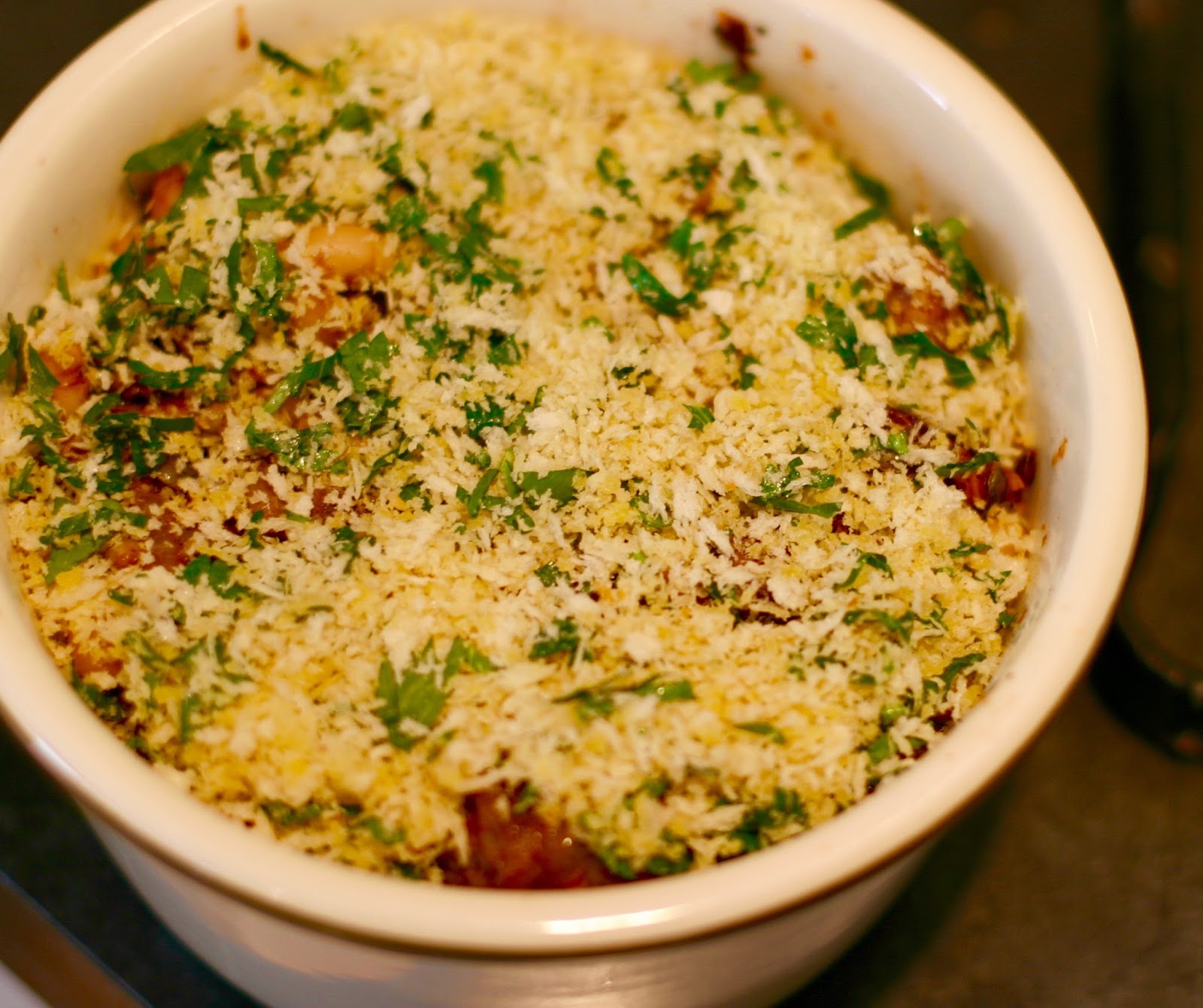
Cassoulet that won't take 3 days to make ...


A fast cassoulet is an oximoron of the greatest degree. There is really no such thing but this is a close facsimile. However, if you are like me, and crave confit of duck leg in it, then it will take a couple of days.

Cassoulet is essentially a French stew and can be made with the meats, beans and lentils on hand. Pork, duck and lamb give it the best flavour but substituting beef for one of these is entirely acceptable.

Unlike a typical stew where everything is thrown into the pot and cooked at the same time a good cassoulet will have the ingredients cooked separately and then mixed together for the final baking.

I am cooking for myself and as a result my recipes often only feed one or two persons. Four at most. I only like to eat leftovers once and I have a decided dislike for most frozen food.

A problem for those who rarely cook with duck or do not live in a large city is the lack of extra duck fat to make the confit. If you are starting with a whole duck it isn't such a problem. The fat from the rest of the duck can be rendered out to use it here. I have a blog post that describes how to render duck fat by clicking on this link How to Render Duck Fat.

Another mild tasting oil can be used in the place of duck fat to make the confit. Canola oil is one option or a mild olive oil.

If making duck confit isn't appealing, then simply sear a duck breast, dice and add to the dish instead.

And if you are not using duck at all, then please use bacon and the rendered fat. Pork belly is delicious. This dish needs some flavourful fat.

And your next question may be, "What do I serve with cassoulet?" Traditionally, nothing is served 'with' cassoulet. You may begin the meal with a crisp salad and of course, a light dessert to finish.

Sarah's Cassoulet
Serves 4.

1 duck breast or confit leg
2 lamb sausages
1/2 lb. beef chuck roast, cubed
1/2 c. navy beans
1 bay leaf
1 sprig thyme
1/2 tsp. kosher salt
1/4 c. French green lentils
1/2 c. yellow onion, chopped
1 clove garlic, chopped
1/2 c. dry vermouth
1 tbsp. tomato paste
1 c. beef, chicken or duck stock
1/2 c. panko bread crumbs
2 tbsp. flatleaf parsley, finely chopped

To Make the Duck Confit

 kosher salt
1 cloves garlic, smashed
1 shallot, peeled and sliced
1 sprigs thyme
Coarsely ground black pepper
1 duck legs with thighs
About 1 cups duck fat

Sprinkle salt in the bottom of a dish or plastic container large enough to hold the duck pieces in a single layer. Evenly scatter half the garlic, shallots, and thyme in the container. Arrange the duck, skin-side up, over the salt mixture, then sprinkle with the remaining salt, garlic, shallots, and thyme and a little pepper. Cover and refrigerate for 1-2 days.

Preheat the oven to 225 F. Melt the duck fat in a small saucepan. Brush the salt and seasonings off the duck. Arrange the duck pieces in a single snug layer in a high-sided baking dish or ovenproof saucepan. Pour the melted fat over the duck. The duck pieces should be covered by fat. Place the confit in the oven. Cook the confit slowly at a very slow simmer — just an occasional bubble — until the duck is tender and can be easily pulled from the bone, 2-3 hours. Remove the confit from the oven. Cool and store the duck in the fat. The confit will keep in the refrigerator for several weeks.


Note: The duck fat can be strained and reused.
To Make the Beans

Soak the beans overnight in cold water (soaking is optional, but makes the texture creamier and the cooking time shorter). Drain, rinse again, and put in a large saucepan or 5- to 6-quart Dutch oven. Add enough water to cover the beans by 1 inch (more, if you didn’t soak them). Add the onion, thyme, rosemary, savory (if using), bay leaf, chile, and salt. Bring to a simmer over medium heat, adjusting the heat as needed to achieve a gentle bubbling. Cover partially and simmer until the beans are tender but still hold their shape. Depending on the variety and freshness of your beans, this could take from 30 minutes to 2 hours, so check frequently, adding more water if the beans get dry. Remove from the heat and let cool in the liquid.

To Put it Together

Begin by adding the cooked navy beans to a baking dish large enough to hold everything else. In this case, I used a baking dish that was about one quart volume.


In a pan over medium high heat place the confit duck leg skin side down. Sear until the skin is crisp and any fat is rendered out. Turn it over and brown the other side, too. Remove to a cutting board. Don't clean the pan. Remove the bones and roughly chop the meat and skin. Add to the baking dish.
Next add the cubed beef. Season with kosher salt and freshly ground pepper before cooking. Don't crowd the pan. Saute until browned and add to the baking dish. Don't clean the pan. And then brown the lamb sausage in the same way. Add to baking dish.


 Saute onions in the same pan. Add to the baking dish. Don't clean the pan.

Deglaze the pan with the dry vermouth. Add tomato paste and the rest of the cooking water from the beans. Add this to the baking dish.

 Stir in French green lentils. Add water to almost cover.


Toss the breadcrumbs with parsley and spread over the top of the food. Put the lid on the baking dish and bake for about 45 minutes. Remove the lid and let the breadcrumbs become crusty, about 15 minutes.
Stir the crusty breadcrumb mixture into the cassoulet and add water if it is dry. Put it back in the oven and bake until the beef and lentils are tender and once again crusty on top.

1.1.17

Potato Latkes


Today is the last day of Hanukkah and as feasts unfold in homes across the continent one dish is sure to be served. But it isn't the potato that is significant, it is the oil. When the Jerusalem Temple was recaptured and reconsecrated there was only enough oil to last for a day. Miraculously the oil burned and provided light for eight nights.  That was enough time to make more oil.

Potato latkes are best served right out of the pan and onto the plate. Potatoes are traditional but latkes are also made with sweet potatoes. Serve with applesauce and sour cream. Small latkes are perfect for serving with creme fraiche and caviar.

Potato Latkes

2 pounds large russet (baking) potatoes (about 4)
2 tablespoons fresh lemon juice
1 large onion (1 pound)
1/2 cup all-purpose flour
3 large eggs, lightly beaten
1 cup vegetable oil

Preheat oven to 250 F with rack in upper third.

Peel potatoes and coarsely grate into a bowl using large teardrop-shaped holes of a box grater or in a food processor fitted with medium shredding disk. Add lemon juice and toss to coat.

Coarsely grate onion into same bowl. Transfer to a kitchen towel (not terry cloth), then gather up corners to form a sack and twist tightly to wring out as much liquid as possible.

Wipe bowl clean, then return potatoes and onion to bowl and stir in flour, eggs, and 1 1/4 teaspoons salt until just combined.

Heat oil in a 12-inch nonstick skillet or cast iron pan over medium-high heat until hot but not smoking. Fill a 1/4-cup measure halfway with latke mixture and carefully spoon it into skillet, then flatten to 3 inches in diameter with a slotted spatula.

Form 5 more latkes in skillet and fry until undersides are deep golden, 1 1/2 to 3 minutes. If latkes brown too quickly, reduce heat to medium. Turn over and fry until deep golden on the other side, 1 1/2 to 3 minutes more. Transfer to paper towels to drain briefly, then transfer to a metal rack set in a baking pan and keep warm in oven. Make more latkes.

Latkes can be kept warm in oven up to 1 hour.

29.12.16

 Well, hello! It has been several months since I have posted on my blog. Life was very busy. All summer long I am vending at the local farmers' market.

Every week I make 70 loaves of  bread, almost 200 scones, 60 hand pies and other sundry and varied items. I dabbled in organic salad dressings. They were moderately successful. I had a few regular customers but mostly it was a hard sell to get them out of the cooler. My hummus, on the other hand, was a hit. It is the creamiest. I have a secret recipe to achieve this creamy texture. And it sold very well.

Then I moved right into Christmas markets. I travelled to larger cities with my gourmet marshmallows and my wild picked berry jams. Both are quite special. It was so nice to get out of town. I had an opportunity to meet new customers, fellow vendors and dine out at new and wonderful restaurants. I'll be doing that again next season.

Christmas baking is completed, almost. I only have a batch of cinnamon buns to bake in the morning. And now I am footloose and fancy free. Well, almost. I am now involved with a trio, including me, making fine dining meals as a pop-up restaurant. We have only delivered one event so far but another two are in the offing.

No rest for the wicked, they say.

Tonight I roasted a little Cornish Game Hen for myself. I dug through my pantry and came up with a wild rice, morel and shallot stuffing. Tossed in celeriac, potato and baby carrots. Finally taking time to make myself some good food.

Stay tuned. I'll be sharing more recipes and ideas this winter.


18.6.16

Played with my food tonight and this is what I made ...


Today was opening day for our farmers' market season. There were a few changes and I have new helpers so it was with a touch of anxiety that I awoke this morning to do it all over again.

I wish I had taken a few pictures. The market was flooded with happy people anxious to buy our offerings. I love market day. After a week of kitchen work it is time to meet your buyers face to face and enjoy a bit of camaraderie.

Tonight I played with food that arrived in my foraged food box from northern Saskatchewan. What a grand meal.

The burn morels were prime. Large, dry and not wormy. They made a flavourful risotto. Dandelion greens are heavy in the dietary fibre so no need to make a lot. Their bitter flavour complimented the risotto. And I have about 6 dozen quail eggs. It was fun to poach a couple. But seriously, they only take a minute. Quail eggs taste like chicken eggs but they proportionately have a large yolk.

Satisfying simple dinner.

9.6.16

Phyllo Balkan Feta Torte with Spring Herbs

I recently visited a new business in Moose Jaw, SK  -  Coteau Hills Creamery. There are precious few cheese makers in this province so the opening was an event to be celebrated. I came home with their Balkan style feta. It is softer and saltier than the Greek style but just as versatile.


Here is a bit about Kirby and Crystal, the owners:


The British Columbia wine industry was good to Kirby and Crystal Froese but after almost two decades it was time to return home to Saskatchewan. “We really wanted to come back to our hometown of Moose Jaw to be with our families. Our nieces and nephew were growing up fast, our parents were getting older, too,” shares Kirby.
It didn’t take long for their entrepreneurial spirit to resurface and after researching various opportunities cheese making seemed like a natural transition from wine making. “Time, temperature, pH, hygiene and patience are elements of both businesses.” They are a dynamite combination to have their own small business. Kirby was the winemaker and Crystal worked in communications and marketing.
They opened the Coteau Hills Creamery with a 750 litre (200 gal) batch pasteurizer/cheese vat. Local milk is delivered every second day from Caroncrest Farms at Caronport, SK and two other local dairies. Milk is pumped directly into the vat and is held at 63 C (145 F) for 30 minutes before it is processed into cheese. As production increases milk will be delivered daily.
Kirby and Crystal are setting their sights on distributing their cheese throughout the country. In order to be federally registered to sell outside of the province, a “Certificate of Analysis” must accompany all the ingredients and come from a Canadian Food Inspection Agency registered facility.
Their first cheese is a Balkan style feta and will be available soon. It is softer and creamier than a Greek feta and saltier.
Next they plan to experiment with other small batch handmade cheeses without using additives to increase yield or add colour. A hamburger cheddar and a brie style are in the works. They are also working on a saskatoon berry rubbed tomme style cheese, which has a lower butterfat content, firmer and with a rind, for release in August.

Phyllo Balkan Feta Torte With Spring Herbs
This is much ligher than a dip and can be heaped with microgreens for a dramatic effect. Serve with crostini or crackers, if you wish.
1 c. fresh whole-milk ricotta 250 mL
3/4 c. Coteau Hills Creamery Balkan style feta 175 mL
2 large eggs
1/3 c. chopped soft spring herbs or baby greens (any combination of dill, mint, sorrel, chives, dandelion, parsley, arugula) or pesto 75 mL
1/2 tsp. ground black pepper 2 mL
1/3 c. unsalted butter, melted 75 mL
1 box phyllo dough, thawed overnight in refrigerator
Preheat oven to 400 F (200 C).
In a large bowl, combine ricotta, feta, egg, herbs and pepper.
Brush 6 1/2 inch (16.5 cm) spring form pan with some of the melted butter. Drape 2 sheets of phyllo on top of Bundt pan. Do this with 2 more sheets placed perpendicular to the first 2 sheets. Continue adding phyllo sheets in this crisscross manner until all sheets are used. Edges of phyllo should hang over edges of pan.
Scrape half of the ricotta filling into pan. Spread pesto over the cheese. Spoon the rest of the ricotta mixture on top. Fold edges of phyllo over filling. Using a sharp knife, poke at least 10 holes in dough that reach all the way to bottom of pan. Slowly pour melted butter over torte. Some butter will seep through holes and some will remain on top of dough.
Place pan on a baking sheet and bake for about 1 hour, or until torte is puffy and golden brown. Allow torte to cool in pan for 1 hour before removing from the spring form pan and serving on a plate. Serve warm or at room temperature.

2.6.16

Spring is Rhubarb Time


I grew up on a farm in Saskatchewan. Rhubarb in the spring was a staple but we never had any on our farm. I pined for rhubarb pie and did not learn how to make one until years later. This is another version that I thought I would try. 

The crust is a butter crust rather than a lard crust. It has a meringue. A nice variation from the standard.


Rhubarb Meringue Pie
Eggs should be at room temperature when making meringue. It usually takes about 30 minutes for eggs from the refrigerator to warm up to room temperature. Older eggs give better volume than fresh eggs. Be sure the bowl and utensils are fat-free because the tiniest bit of fat will ruin the meringue. Add the sugar when the egg whites have reached the soft peak stage. The peaks will fall over gently when they have reached the soft peak stage. Gradually add sugar until stiff peaks are formed.

Put the meringue on a piping hot pie and cover the top completely and touching the crust all around to prevent it from shrinking. The heat will partially cook the bottom of the meringue and prevent shrinking and weeping. Cut a with a knife dipped in cold water.

1 recipe of Buttery Pastry
4-5 c. rhubarb, raw 1-1.25 L
1 tsp. orange zest 5 mL
2 eggs, separated
2/3 c. + 1/4 c. sugar 150 mL + 60 mL
2 tbsp. all purpose flour 30 mL
2 tbsp. butter, melted 30 mL
1/4 tsp. cream of tartar 1 mL

Roll out pastry and line a deep pie plate. Refrigerate for about 20 minutes. 

Preheat oven to 375 F. Chop the rhubarb it into roughly 1cm slices. If the stalks are very wide and chunky then cut in half lengthways, also. Scatter on a baking sheet and bake until tender. Remove from baking and drain, reserving the liquid.

Separate eggs, putting the whites aside for the meringue. Beat egg yolks in a medium sized bowl with a fork. Add 2/3 cup sugar, flour and the melted butter. Continue to beat until blended. Then add the eggs and 1/3 cup of the rhubarb liquid to make a smooth and runny paste. Add rhubarb and mix to blend. Pour into pastry shell. Bake until set, about 30-40 minutes.

Beat egg whites until they form soft peaks, add cream of tartar, 1/4 cup of remaining sugar and continue to beat until glossy and stiff peaks form. Spoon this over the hot cooked rhubarb pie, making sure it is completely covered and there is no gap where rhubarb can bubble through the meringue. Use the spoon to bring some of the meringue into peaks. Put back in the oven for about 15 minutes until the peaks are toasted.

Cool for 10 minutes and serve. 

Buttery Pastry
1 1/2 c. all-purpose flour 310 mL
1/2 tsp. sugar 2 mL
1/4 tsp. kosher salt 1 mL
1/2 c. chilled unsalted butter, cut into 1/2-inch pieces 125 mL, 12 mm
1/2 c. ice water 125 mL

Pulse flour, sugar, and salt in a food processor. Add butter. Pulse until the texture of very coarse meal. Add ice water slowly until dough comes together in clumps. Form into a disc and wrap in plastic. Chill until firm, about 1 hour. Makes 1 single crust.


Rhubarb Eton Mess
4 c. rhubarb 1 L
2 tsp. maple sugar 10 mL
2 c. whipping cream 500 mL
1 packet individual meringue nests

Preheat oven to 375 F (190 C). Chop the rhubarb into 1/2 inch (12 mm) pieces. Place on a baking sheet and sprinkle with sugar. Roast until the rhubarb is tender and beginning to caramelize. Remove from oven and set aside to cool.

Whip the cream in a large bowl until thick but still soft. Roughly crumble in 4 meringue nests.
Take out about half a cupful of the rhubarb, and fold the meringue cream and rest of the fruit mixture together.

Arrange in 4 dessert bowls and top each with remaining rhubarb. Serve immediately.

Rhubarb Iced Tea
8 c. rhubarb, chopped into small pieces 2 L
1 c. sugar 250 mL
1 Earl Grey teabag

Roast chopped rhubarb in a 350 F (180 C) oven until tender. Remove from oven and cool slightly. Strain the juice from the fruit in a colander. Use the fruit for a pie or crisp. 

Boil 2 cups (500 mL) of rhubarb juice with 1 cup (250 mL) sugar. Cool. 

Put teabag in a pot and add 3 cups of boiling water. Steep for 5-7 minutes or until it is a strong tea. Remove teabag. Chill tea.

Mix tea with an equal amount of rhubarb syrup and pour over a glass full of ice. Serve.